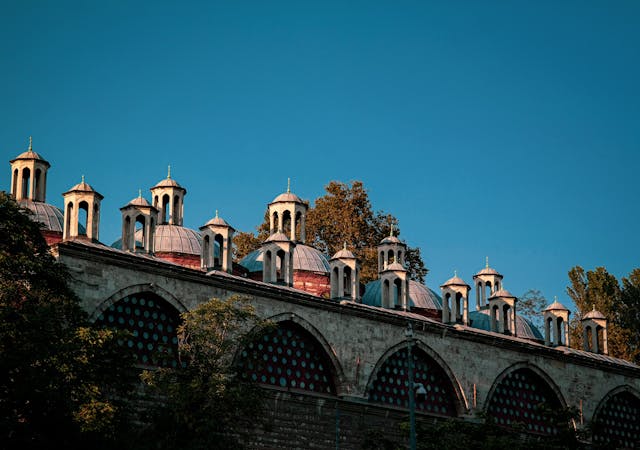
Tophane, um dos bairros mais vibrantes e históricos de Istambul, é um mosaico cultural onde o passado e o presente se encontram da forma mais marcante na margem europeia do Bósforo, no coração de Beyoğlu. Nomeado em homenagem às fundições de canhões otomanas, este distrito foi, durante séculos, não apenas um centro de produção, mas também um palco que testemunhou as transformações militares, sociais e culturais do império. Hoje, é um mundo dinâmico e cheio de surpresas, onde museus, galerias de arte, cafés tradicionais e um luxuoso porto de cruzeiros se entrelaçam, sussurrando uma história diferente a cada passo.
Tophane na História: O Coração Pulsante do Império
A identidade histórica do bairro é construída sobre dois grandes monumentos arquitetônicos. O primeiro é o Tophane-i Amire, símbolo do poderio militar otomano. Fundado após a Conquista de Constantinopla por Mehmed, o Conquistador, e posteriormente ampliado por Mimar Sinan, esta imensa fundição vive hoje como um centro cultural afiliado à Universidade de Belas Artes Mimar Sinan.
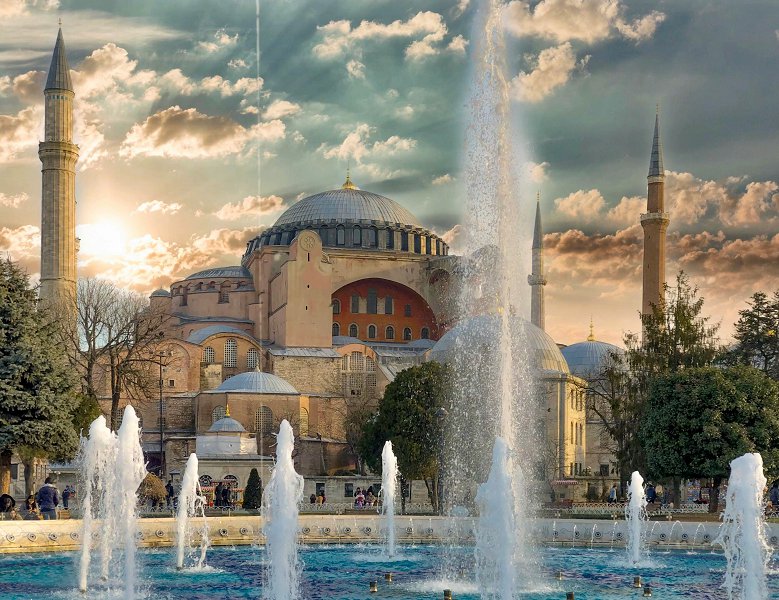
O segundo, e talvez a estrutura mais impressionante do bairro, é o Complexo de Kılıç Ali Paşa. Encomendado por Kılıç Ali Paşa, o lendário almirante da frota otomana, e construído pelo grande arquiteto Mimar Sinan, esta obra é uma homenagem arquitetônica. Reza a lenda que o Paşa pediu a Sinan para construir "uma versão de Santa Sofia". A mesquita resultante, com sua cúpula central, seus elegantes minaretes e seu interior espaçoso, é uma resposta poderosa a esse pedido. O boato mais intrigante sobre a construção do complexo é que Miguel de Cervantes, o gigante da literatura espanhola, pode ter trabalhado aqui durante seu período de cativeiro numa galé otomana. Esta possível interseção entre história e literatura em Tophane demonstra o apelo universal do bairro.
Dentro do complexo, o Hamam de Kılıç Ali Paşa é um dos exemplos mais autênticos e belos da cultura do banho turco em Istambul. Esta obra-prima de Sinan, com sua grande cúpula e seu jogo de luzes, é fascinante. Sua única falha, para alguns visitantes modernos, é seu funcionamento tradicional de gênero único como "banho público", atendendo mulheres de manhã e homens à tarde. No entanto, esta mesma característica ajudou a preservar sua textura histórica e autenticidade.
Símbolo da Reforma: A Mesquita de Nusretiye
Dominando a Praça Tophane, a Mesquita de Nusretiye é o terceiro grande monumento do bairro e a personificação dos esforços de modernização otomanos talhados em pedra. Após o Sultão Mahmud II abolir o antiquado Corpo de Janízaros (o Incidente Auspicioso) e estabelecer um exército moderno em 1826, ele ordenou a construção da mesquita para simbolizar esta "vitória". Seu próprio nome significa "Salvação" ou "Vitória". Construída pelo famoso arquiteto da corte armênio Krikor Balyan, a estrutura é uma síntese magnífica dos estilos Império e Barroco. Com esta mesquita, Tophane tornou-se mais do que um centro militar-industrial; tornou-se o coração simbólico de uma transformação política.
Nos Passos da Caridade e da Literatura: A Face Moderna de um Bairro
Tophane não é apenas mesquitas e banhos turcos. O distrito guarda marcas profundas em outras áreas, como a caridade e a literatura. O Orfanato Francês Saint-Joseph é uma dessas marcas. Concedido por decreto do Sultão Abdülaziz em 1866 à irmandade católica das "Filhas da Caridade de São Vicente de Paulo", que demonstrou grande sacrifício durante a epidemia de cólera, este edifício foi um refúgio de compaixão para os necessitados durante anos.
Outra parada importante é o Museu da Inocência, inspirado no romance homônimo do Prémio Nobel Orhan Pamuk. Este museu, onde o protagonista do romance, Kemal, exibe objetos coletados de sua amada Füsun, é um exemplo raro e fascinante de uma ficção literária que se transforma em um espaço físico. Caminhando pelas ruas de Tophane, a sensação de encontrar um objeto que saltou das páginas de um romance acrescenta uma profundidade única ao distrito.
O Epicentro da Transformação: A Torre do Relógio de Tophane e o Galataport
O representante mais marcante da história de transformação do bairro é a Torre do Relógio de Tophane e seus arredores. Esta área abrigou outrora um importante quartel militar otomano. Esta orla marítima, que cumpriu várias funções na era republicana, passou por uma mudança radical no século XXI com o projeto Galataport. Hoje, como um complexo massivo que inclui um porto internacional para cruzeiros de luxo, hotéis boutique, lojas de luxo e restaurantes renomados, representa a visão de Istambul para o turismo e comércio global. Esta transformação cria um novo relacionamento, por vezes tenso, por vezes harmonioso, com o tecido tradicional do bairro e seus comerciantes locais.
A Experiência Tophane: Um Dia Entre o Passado e o Futuro
Explorar Tophane é uma experiência em múltiplas camadas:
- De manhã, pode começar buscando renovação no Hamam de Kılıç Ali Paşa, seguido por um copo de chá com vista para o Bósforo num dos históricos cafés à beira-mar.
- Ao meio-dia, pode seguir o rastro da arte; visitar uma exposição no Tophane-i Amire e depois explorar galerias de arte contemporânea nas ruas laterais.
- À tarde, pode traçar a história; sentir a grandiosidade da Mesquita de Nusretiye e depois mergulhar na cápsula do tempo romântica que é o Museu da Inocência.
- À noite, pode dirigir-se ao coração da transformação, o Galataport, para experimentar a energia da Istambul moderna com o pano de fundo das luzes dos navios de cruzeiro refletindo-se nas águas do Bósforo.
** Um Palimpsesto Vivo**
Tophane é como um palimpsesto, carregando camadas de cada era, como textos escritos uns sobre os outros. Aqui, o gênio de Mimar Sinan, os possíveis vestígios de Cervantes, o espírito reformista do Sultão Mahmud II, a compaixão das freiras caridosas, a imaginação literária de Orhan Pamuk e as correntes globais do século XXI se encontram nas mesmas ruas.
O distrito é um microcosmo da Istambul moderna, caminhando na linha tênue entre preservar o passado, a transformação urbana, o patrimônio cultural e a globalização. Aqueles que visitam Tophane não apenas percorrem um bairro; caminham dentro de uma história de múltiplas camadas de Istambul—que se estende do império à república, do tradicional ao moderno, por vezes melancólica, por vezes exuberante, mas sempre viva. Desta forma, Tophane é um laboratório urbano vivo cheio de diálogo sem fim, transformação constante e surpresas inesgotáveis.