The Great Palace and Its Mosaics
The Great Palace and Its Mosaics
Great Palace Mosaics Museum, not only represent the pinnacle of Byzantine art but also shed light on Istanbul's past.
**The Magnificent Legacy of Byzantium
Istanbul has hosted numerous civilizations throughout history, boasting a rich cultural heritage. One of its most significant treasures is the Great Palace and its mosaics from the Byzantine Empire era. Today, these artworks, displayed at the Great Palace Mosaics Museum, not only represent the pinnacle of Byzantine art but also shed light on Istanbul's past.
Note: As of 2025, when this article was written, the museum is temporarily closed to visitors due to restoration work. We eagerly await the reopening of this unique Byzantine treasure in the near future.
The Great Palace: Symbol of Byzantine Splendor
During the Byzantine period, the area stretching from Hagia Sophia and the Hippodrome to the Marmara coast was home to imperial palaces. The most magnificent among them was the Great Palace, used by Emperor Justinian I in the 6th century. Justinian, also known for commissioning Hagia Sophia, made the palace the political and ceremonial heart of Byzantium.
One of the palace’s most striking features was its ceremonial hall with a columned courtyard adorned with mosaics. This was where state protocols and important receptions took place. The mosaics were considered among the most exquisite artworks of their time.
Artistic Value and Technical Mastery of the Mosaics
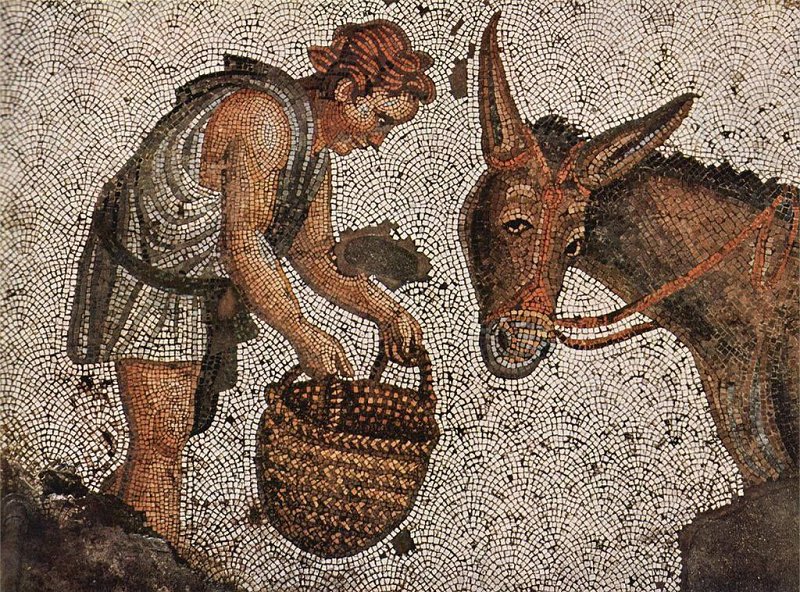
The floor mosaics of the Great Palace are regarded as some of the most intricate and masterfully crafted works of the ancient world.
- Craftsmanship: Skilled artists from across the empire used 40,000 mosaic pieces per square meter, creating intricate designs resembling woven carpets.
- Themes: The mosaics depict hunting scenes, mythological figures, daily life vignettes, and nature motifs.
- Preservation: During the iconoclasm period (7th-8th centuries), when religious images were banned, the mosaics were covered with marble slabs. This protected them from destruction, allowing them to survive to the present day.
The Abandonment and Rediscovery of the Great Palace
Over time, due to maritime threats and the city’s changing defense needs, Byzantine emperors relocated their palaces to the Golden Horn (near the Blachernae Palace). The Great Palace was abandoned and gradually buried under layers of earth.
During the Ottoman era, Sultan Mehmed the Conqueror transformed the area into a Turkish neighborhood. However, a massive fire in 1912 destroyed the buildings, revealing the long-lost ruins of the Great Palace.
Archaeological Excavations and the Discovery of the Mosaics
- Excavations began in 1921, with intensive work carried out between 1935 and 1951 in the Arasta Bazaar area near the Sultanahmet Mosque.
- A significant portion of the mosaics was uncovered, cleaned, and restored.
- In 1997, the Great Palace Mosaics Museum was established to display these masterpieces.
The Great Palace Mosaics Museum: A Treasure of Byzantine Art
Located within the Arasta Bazaar near Sultanahmet, the museum houses one of the world’s most important mosaic collections.
- Artworks: The mosaics feature hunting scenes, children’s games, mythological characters, and depictions of daily life.
- Artistic Significance: The vibrancy of colors and intricacy of details showcase the advanced artistry of Byzantine craftsmanship.
** A Window into History**
The Great Palace mosaics are not merely artworks—they are a vital historical record of Byzantine social life. For those seeking to understand Istanbul’s layered history, this museum offers an unparalleled experience.
Although the museum is temporarily closed in 2025 due to ongoing restoration, we look forward to its reopening soon. In the meantime, visitors to Istanbul can explore other historical landmarks such as Hagia Sophia, Topkapı Palace, and the Basilica Cistern.
Let us remember that these mosaics are silent witnesses to a thousand-year-old civilization, and preserving them for future generations is our shared responsibility. 🏛️✨
Last Modification : 9/1/2026 4:06:57 PM