Cerrahpaşa
A Journey into Istanbul’s Forgotten History
In the historic peninsula of Istanbul, far from the tourist crowds, lies Cerrahpaşa—a quiet neighborhood where the echoes of the past linger in its streets. Nestled beside Aksaray, this easily accessible yet overlooked area is like a time tunnel, stretching from the grand forums of Byzantium to the magnificent Ottoman religious complexes.
The Story Behind the Name
Cerrahpaşa takes its name from Mehmed Pasha, the surgeon who performed the circumcision of Sultan Mehmed III and was honored with the title "Cerrah" (Surgeon). This prominent Ottoman court physician not only gave the neighborhood its name but also left behind a mosque and a külliye (religious complex). Yet the history of Cerrahpaşa reaches even further back, deep into the Byzantine era.
Avrat Pazarı: A Dark Stain on History or a Space for Women’s Empowerment?
One of the most talked-about yet controversial spots in Cerrahpaşa is Avrat Pazarı (Women’s Market). Known in Byzantine times as a slave market and later renamed under Ottoman rule, this square represents, for some, one of Istanbul’s darkest chapters. It was a place that touched the lives of powerful women like Kösem Sultan and Hürrem Sultan, remaining active until the 19th century.
However, some historians argue that it wasn’t just a slave market but also a space where women engaged in trade and social influence. Whatever the truth, Avrat Pazarı left a deep mark on Istanbul’s multilayered history.
The Column of Arcadius: A Byzantine Relic Defying Time
Among Cerrahpaşa’s most striking remnants is the Column of Arcadius, erected in 402 AD to celebrate Emperor Arcadius’ victories. Once crowned with a statue of a protective fairy, the column now stands only as a base, wedged between buildings after earthquakes and the passage of time. This silent witness to Byzantium’s grandeur still speaks volumes to those who pause to look.
In the Footsteps of Mimar Sinan: The Haseki Hürrem Sultan Complex
Hürrem Sultan, wife of Suleiman the Magnificent, left her mark not only on the Ottoman court but also on Istanbul’s architecture. Designed by the legendary Mimar Sinan, the Haseki Complex—with its mosque, madrasa, and hospital (darüşşifa)—was one of the era’s most significant structures. Intriguingly, the hospital later became a women’s prison. Today, it still stands, awaiting restoration.
Bulgur Palace: A Merchant’s Grand Vision
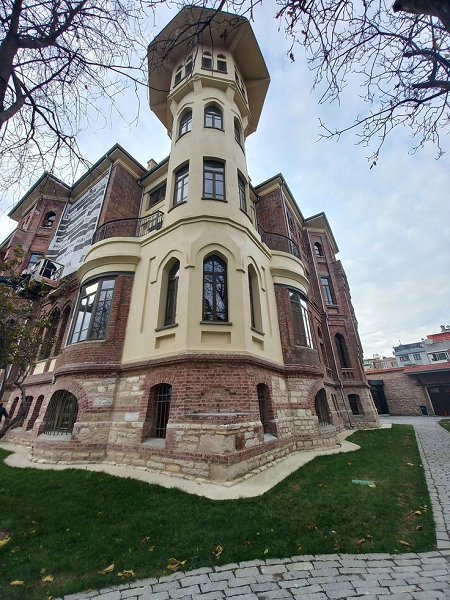
Built in the early 20th century by Italian architect Giulio Mongeri for a bulgur merchant, Bulgur Palace adds a unique touch to the neighborhood’s skyline. Once serving as the Ottoman Bank’s archive and now a municipal library, this building reflects Istanbul’s multicultural past.
Cerrahpaşa is a neighborhood rich in history yet overlooked by tourists. From slave markets to imperial columns, grand viziers’ complexes to merchants’ mansions, it’s like an open-air museum waiting to be explored. Though absent from typical travel itineraries, it holds some of Istanbul’s most compelling stories for those curious enough to seek them.
If your path ever leads you here, wander its narrow streets—you might stumble upon a Byzantine relic around a corner or an Ottoman masterpiece down an alley. Who knows? This quiet neighborhood might just whisper one of Istanbul’s most captivating tales to you.
Last Modification : 8/31/2026 10:58:33 AM