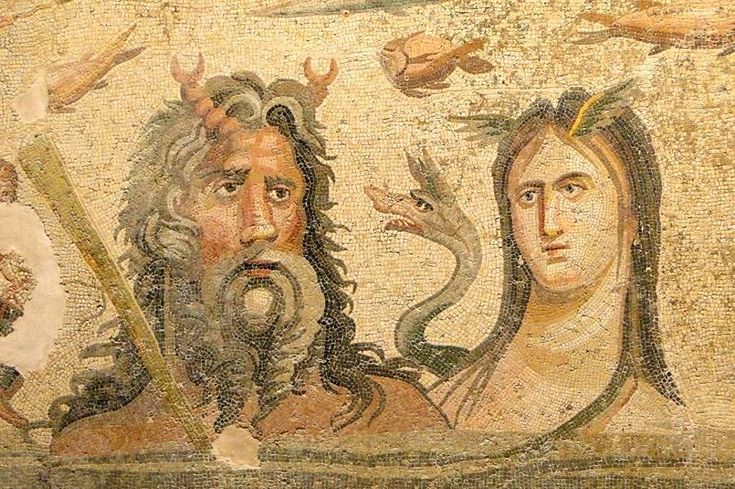
As Hillman puts it, "mythology is the psychology of ancient times, and psychology is the mythology of modern times" (Saydam, 1997, p.45). Myths, as symbolic expressions of humanity's unconscious, reveal the story of human consciousness when examined alongside the concept of the human being itself.
The human figures found in ancient myths are not merely heroes or gods but also archetypal reflections of human psychology. These mythological narratives represent a journey from the depths of the unconscious toward consciousness. Functioning almost like a vehicle, myths symbolize the transition of the human mind from darkness into light.
For instance, in creation myths, chaos (Khaos) or primordial waters represent the most primitive state of the unconscious. The creation of the universe and humanity, followed by struggles and transformations, parallels the process of individual self-realization. Mythological tales convey this process through metaphorical language, illuminating humanity's journey of self-discovery.
In conclusion, mythology is not merely the tales of the past but a psychological map of the origins of human consciousness. Modern psychology, in turn, continues to reinterpret these ancient symbols, guiding humanity on its inner journey.