Why Is It Important to Take a Guided Tour of Ephesus?
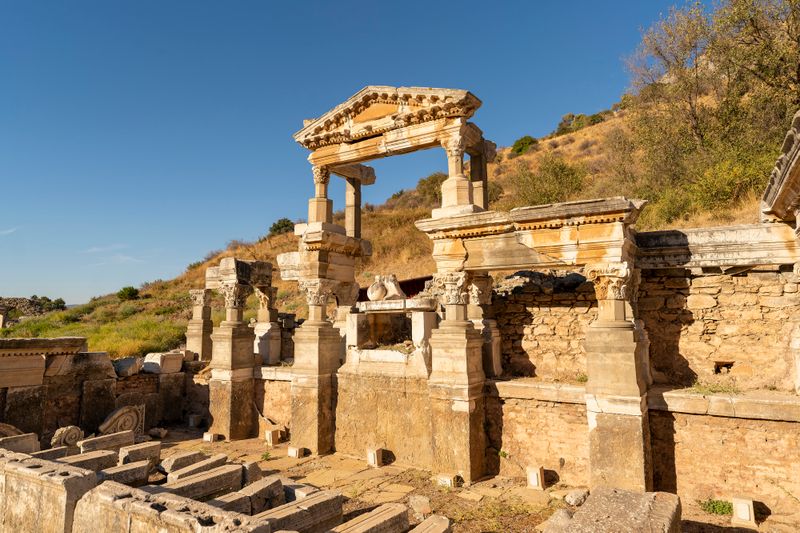
The Ancient City of Ephesus, located in Selçuk, İzmir, is one of the most significant archaeological sites that carries the millennia-old memory of Anatolia into the present day. Listed as a UNESCO World Heritage Site, this ancient city was one of the most important port cities of the Mediterranean world during the Roman Empire, with a population of approximately 250,000—often referred to as the New York of its era. Home to the Temple of Artemis, one of the Seven Wonders of the Ancient World, Ephesus also holds profound significance in Christian history as the place where the Virgin Mary is believed to have spent her final years.
Every year, nearly two million tourists visit this captivating open-air museum. Those wishing to explore it face two basic options: joining a guided tour or exploring independently. Choosing a guided tour carries far more meaning than most visitors realize. This article examines why taking a guided tour of Ephesus is important, addressing this choice from a broad perspective—from historical understanding and cultural heritage preservation to economic impacts and the quality of personal experience.
Historical Depth: The Language of Stones
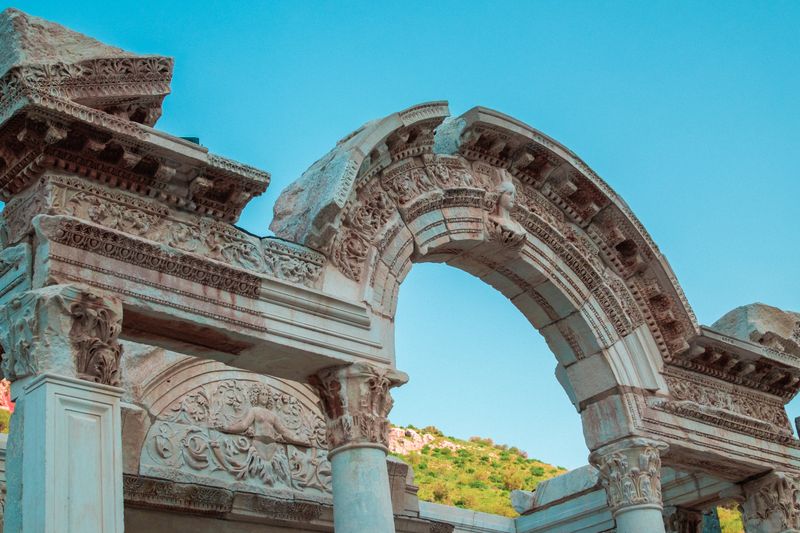
Many visitors to Ephesus are mesmerized by the massive marble columns, magnificent facades, and theaters that could hold thousands of people. However, without knowing the stories behind these structures, looking at them is like evaluating a painting solely by its colors. A professional guide transforms dry historical facts into unforgettable stories, legends, and vivid depictions of daily life in that era.
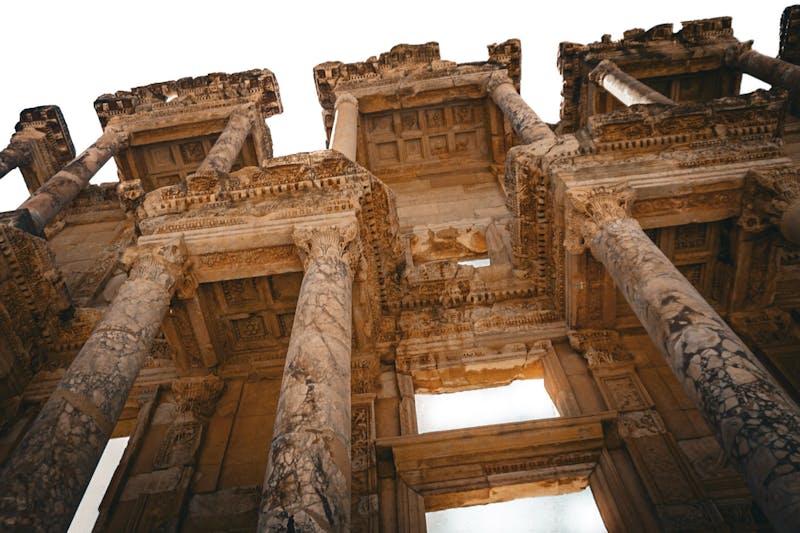
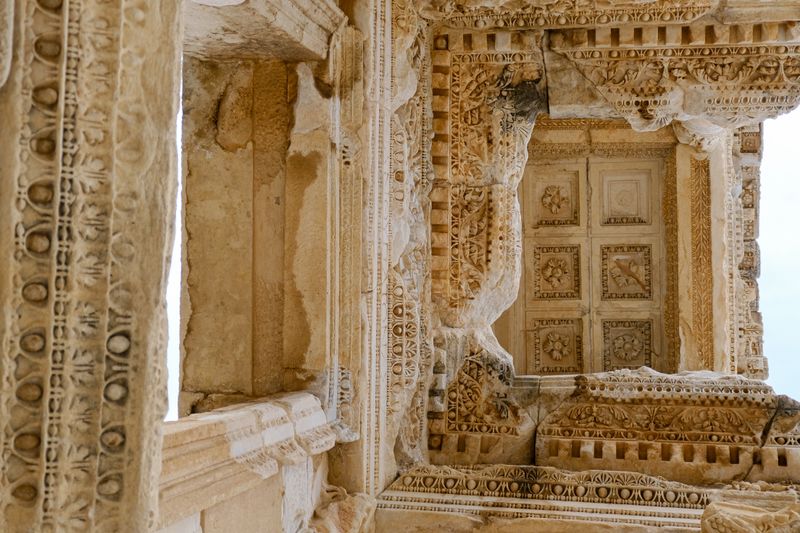
For example, the story behind the magnificent facade of the Celsus Library is that it was built by the son of Roman governor Tiberius Julius Celsus in memory of his father, and it was one of the largest libraries of its time. Knowing that the four female statues on the library's front facade represent wisdom, virtue, justice, and thought offers visitors an entirely different perspective on this structure. Similarly, sitting in the Great Theater while knowing that this place was not just an entertainment venue but also where St. Paul preached to spread Christianity and where riots broke out, leaves a profound impression on everyone who touches these stones.
Through the stories told by guides, the marble streets resonate once again with the footsteps of ancient Romans; the columns bear witness to the political intrigues, commercial vitality, and early Christians' struggles for their faith. Visitors, guided by professionals who go beyond what is written on information boards, do not merely see the ancient city—they embark on a journey into that era.
Efficiency and Time Management
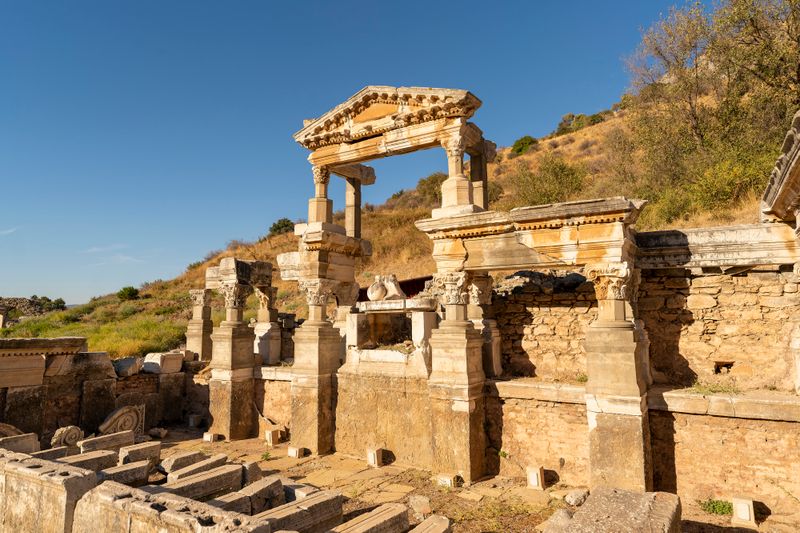
In a site as vast as Ephesus, filled with countless details, deciding what to see and where to start can be time-consuming and exhausting. Getting lost among the ruins of a 2,000-year-old city, missing important points, or using time inefficiently is highly likely. Guided tours are the most important tool for increasing the efficiency of your visit at this point.
A professional guide determines a route based on the group's interests and physical capacity, ensuring that the most important points are seen and time is used optimally. For instance, a group interested in architecture might spend more time on the magnificent mosaics and frescoes in the Terrace Houses, while a group interested in religious history might prioritize the House of the Virgin Mary and the Basilica of St. John. Guides also know the busiest hours of the site, choose the best times to avoid crowds, and minimize waiting times at ticket lines through group movement.
Experience shows that tours conducted with small groups are much more satisfying in terms of personal attention and opportunities to ask questions. An Ephesus visit that independent travelers typically complete in two to three hours gains much more information and meaning in the same amount of time with a guided tour. In holiday programs where time is limited, this efficiency is a decisive factor that directly affects the overall quality of the trip.
Contribution to Cultural Heritage Preservation
The importance of taking a guided tour is not limited to the visitor experience; it also plays a critical role in sustainable tourism and the preservation of cultural heritage. Tour guides have a strong influence on visitor behavior, and this potential can be used to minimize the negative impacts of tourism on cultural and natural environments.
Academic research conducted specifically on Ephesus reveals that guides can provide significant support to heritage site managers in managing visitor flow and raising awareness about the preservation of artifacts. A guided tour ensures better understanding of rules such as not touching ancient artifacts, staying within permitted areas, being careful when taking photographs, and respecting the historical fabric. Through guides' warnings and explanations, visitors learn how fragile this unique heritage is and how each individual can contribute to its protection.
Additionally, guided tours often include museum cards and entrance fees, which means direct financial contribution to restoration and excavation work. Through this system, every visitor becomes a stakeholder in passing Ephesus on to future generations. Guides also support conservation efforts operationally by suggesting alternative routes to reduce wear and tear in areas where tourists concentrate.

Economic and Social Impacts
Choosing a guided tour also makes significant contributions to the local economy. The guiding profession is a field that requires high qualifications and expertise. Guides operating in the Ephesus region are professionals equipped not only with historical knowledge but also language skills and communication abilities. Opting for a guided tour supports the employment of this skilled workforce and contributes to a more equitable distribution of tourism revenues among local people.
Moreover, since guided tours often include transfer services, lunches, insurance, and other additional services, they help revitalize restaurants, transportation, and other service sectors within the tourism ecosystem. When a tourist visiting Ephesus purchases a guided tour, they not only enrich their own experience but also directly contribute to the socio-economic development of the region.
Guides also serve as cultural ambassadors. They represent Turkish culture, hospitality, and historical richness to international visitors in the best possible way. This interaction paves the way for the development of mutual cultural understanding and the establishment of positive intercountry relations. Especially in a destination like Ephesus that hosts international visitors, the diplomatic role of guides is too important to be overlooked.
Safety and Comfort
Another significant advantage offered by guided tours is safety and comfort. Professional guides warn the group about potentially dangerous areas within the site—slippery surfaces, steep stairs, and other risks—preventing possible accidents. They also raise awareness about risks such as fraud and pickpocketing that may be encountered in crowded tourist areas.
Guides know shaded areas and rest points during extreme summer heat, remind visitors to stay hydrated, and adjust the pace according to the group's physical condition. For visitors who do not speak the local language, the guide serves as a communication bridge, contacts authorities in emergencies, and prevents tourists from feeling isolated. These safety and comfort factors are of great value, especially for elderly visitors, families with children, or tourists visiting Turkey for the first time.
The Difference Between Seeing and Experiencing
The Ancient City of Ephesus is a unique open-air museum that has witnessed some of the brightest periods of human history, with every stone holding a different story. Visiting this fascinating city is in itself an unforgettable experience. However, experiencing this journey with a professional guide fundamentally transforms the quality of your visit. A guided tour allows you to understand the stories behind the stones, personalize your visit, and use your time most efficiently, while also enabling you to take a conscious step toward preserving this unique cultural heritage. When considered together with its economic contributions, safety and comfort provisions, and cultural ambassadorship role, the importance of taking a guided tour becomes much clearer. The difference between merely "seeing" Ephesus and truly "experiencing" it often lies in whether you choose a guided tour. The ancient streets that come alive with a guide's voice, the marble sculptures that gain meaning, and the stories reaching from the depths of history to the present day turn your visit into an unforgettable journey. Therefore, considering a guided tour option for your visit to Ephesus is not just a good touristic decision, but also the most meaningful way to experience this unique heritage as it deserves and to contribute to its transmission to future generations.
👉 Contact us to explore Ephesus with a professional guide. Our expert team is ready to provide you with the best experience for an unforgettable historical journey and to discover this unique ancient city in the most accurate way. Make your reservation now and experience the fascinating story of Ephesus with a guide!
Last Modification : 8/31/2026 10:03:22 AM