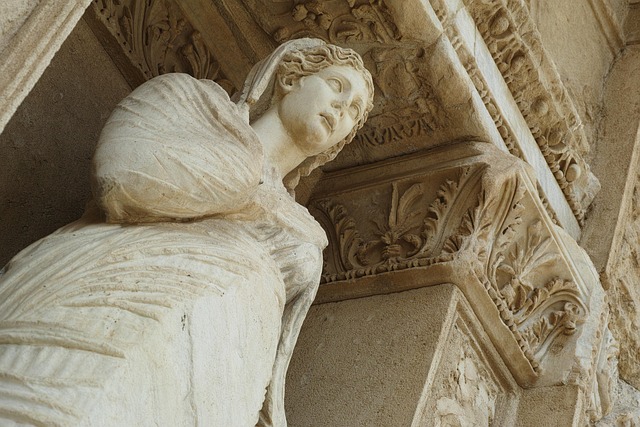
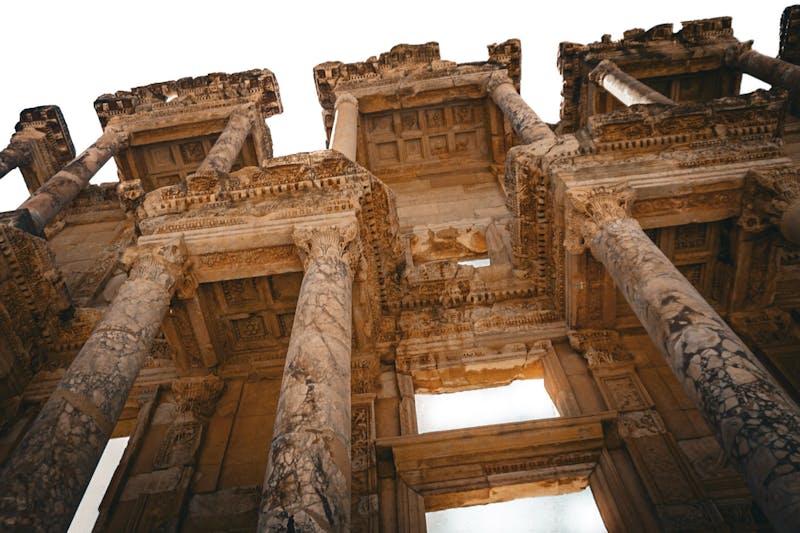
The ancient city of Ephesus, one of the most important port cities of the ancient world where history and mythology intertwine, continues to welcome visitors today in the Selçuk district of İzmir. Choosing the most suitable period to visit this unique open-air museum, which draws hundreds of thousands of tourists each year, is of great importance for both a comfortable trip and creating unforgettable memories.
The Most Important Thing to Remember: Ephesus is Completely Open Air
The Ancient City of Ephesus is an open-air museum. Shaded areas are extremely limited, and there are almost no indoor spaces. Finding a place to take shelter from rain, sun, or wind is very difficult. Therefore, anyone planning to visit Ephesus must pay close attention to weather conditions.
Slippery Marble in Rain: An Invitation to Unexpected Accidents
If rainy weather is forecast, postponing your visit is the best course of action. If you absolutely must go, be sure to bring a rain-resistant umbrella and clothing. But that's not all: almost every part of Ephesus is covered in marble, and due to rain, the marble paths become extremely slippery. This can lead to unexpected falls, sprains, and even serious injuries. This risk is significantly higher for elderly visitors, families with young children, and those with balance issues. Visiting Ephesus in the rain can turn from a historical exploration into a stressful experience focused on simply trying not to fall.
Heat Reflected by Marble: A Hellish Experience
Almost every surface in Ephesus is covered in marble. This visual grandeur comes with a cost: sunlight reflects off the marble, making the felt temperature even higher. Especially after May, the weather becomes truly hellish hot. A visit during this period, without adequate precautions, can even lead to health problems. Plenty of water, a hat, sunglasses, and high-factor sunscreen are absolutely essential.
Spring (April – Early May): History Meets the Awakening of Nature
The most ideal time to visit Ephesus is undoubtedly April and the very beginning of May (the first week). During this period, temperatures generally range between 15-25°C (59-77°F). This mild climate allows you to explore the ancient city without extreme heat or cold spoiling your enjoyment. However, remember: from the second half of May onwards, temperatures begin to rise rapidly and become unbearable due to the effect of the marble ground.
Autumn (September – October): Ephesus in Golden Tones
September and October are also very suitable for visiting Ephesus. During these months, when the summer heat slowly gives way to a pleasant coolness, temperatures range between 20-28°C (68-82°F). The sun is still bright but not oppressive. The golden tones of autumn light falling on the marble facade of the Library of Celsus turn the scenery into a painting.
Summer (June – August): Only Early Morning Hours
In summer, Ephesus turns into a literal "open-air oven." Temperatures can rise to 35-40°C (95-104°F), and this heat feels much more intense due to the reflection from the marble ground. If you must visit during this period, you absolutely must come in the early morning hours (between 08:00 and 10:00), carry plenty of water, and use sun protection. Walking through the ancient city at noon, where shaded areas are scarce, carries the risk of exhaustion and heatstroke.
Winter (November – March): Cheap and Quiet, But Get Ready for Wet and Slippery Conditions
In winter, Ephesus is very quiet and accommodation prices are at their lowest. However, the risk of rain during this period is very high; the ground becomes muddy and the marble paths become dangerously slippery. Since there is no indoor shelter, when rain starts, there is nowhere to run. Moreover, walking on wet marble significantly increases the risk of slipping and injury. Therefore, for a winter visit, the weather forecast must be checked days in advance, and the visit should definitely be postponed on rainy days.
Guided Tours: The Importance of Professional Help
If you are taking a tour with a guide, your guide will handle the weather checks and schedule the most suitable visiting hours for you. A professional guide knows the best timing to avoid crowds and is prepared for sudden weather changes. Additionally, guides can warn their group about slippery surfaces and suggest alternative, safer routes. If you plan an unguided trip, you must take all these warnings into account yourself.
Recommended Visiting Time
Considering all these evaluations, the most ideal times to visit Ephesus are April or October. The beginning of May is also acceptable, but the risk of heat starts from the middle of the month. As for the time of day, the most comfortable hours are in the morning between 08:00 and 11:00.
Although Ephesus has a unique beauty in every season, it must always be remembered that it is an open-air museum. In this ancient city with no shade, no shelter, and marble-covered surfaces, weather conditions are the biggest determinant of a comfortable visit. Visiting on a rainy day is highly discouraged due to the risk of slipping and falling as well as the lack of shelter. In the summer heat, only the early morning hours should be preferred. With the right timing and the right preparation, spending a few hours in front of the Library of Celsus will turn into a historical journey you will never forget. Remember: checking the weather forecast before arriving at Ephesus, bringing appropriate clothing, and knowing your physical limits are the keys to a healthy and enjoyable visit.