9 Most Common Tourist Mistakes in Ephesus
Ephesus, as one of the world's most impressive ancient cities, welcomes millions of visitors every year. However, visiting this unique historical heritage can turn into disappointment without proper planning. Here are the 9 most common mistakes tourists make in Ephesus and tips on how to avoid these traps.
1. Falling for the Cheapest Tour
When you step out of Kusadasi port, you'll encounter dozens of agencies offering enticingly low-priced tours. However, extremely cheap tours are typically based on shopping commissions and push the historical experience to the background. On these tours:
- Your time at Ephesus Ancient City is shortened
- You waste unnecessary time at carpet or leather stores
- Historical explanations remain superficial
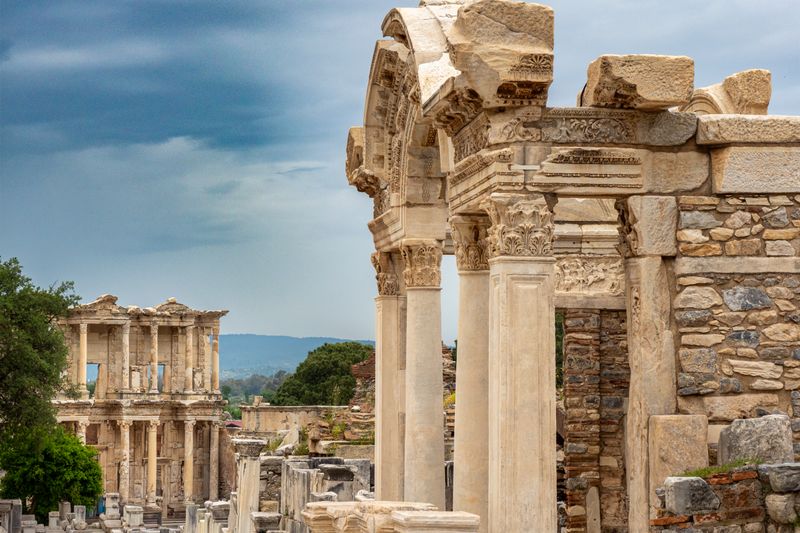
Instead, choose tours that focus on the historical experience with licensed and experienced guides. A quality guide will bring Ephesus to life—transforming what might otherwise feel like a pile of stones into the living story of Roman civilization.
2. Not Going Early in the Morning
Ephesus is a popular stop for cruise tours and bus groups. Especially in summer, the site becomes a sea of people in the afternoon hours, and temperatures become unbearable. One visitor reported temperatures reaching 42°C (107.6°F) in June. Experts recommend visiting early in the morning, when the sun is not yet scorching and the large group buses haven't arrived. This way, you can take better photos and enjoy the enchanting atmosphere of the ancient city more comfortably.
3. Choosing the Wrong Entrance
Ephesus has two main entrances: the Upper Gate (Magnesia Gate) and the Lower Gate (Harbor Gate). One of the biggest mistakes is planning your route backwards. Most tours start from the upper gate and walk downhill, ending at the lower gate. This allows you to explore the historical ruins on a downhill slope with less fatigue. Additionally, if you're thinking of buying souvenirs, shop at the stores at the top of the hill—the same items can cost 50% more at the lower gate.
4. Going Unprepared for Walking and Weather Conditions
Ephesus is a vast archaeological site with marble streets and open areas. Walking through this area can be challenging, especially in summer. Common mistakes visitors make include:
- Wrong footwear: Marble surfaces have become worn and slippery from years of visitor traffic. Walking in flip-flops or flat-soled sandals is both dangerous and exhausting. Rubber-soled, non-slip shoes are highly recommended.
- Forgetting water and sun protection: There is almost no shaded area in the site. A hat, sunscreen, and plenty of water are essentials. Since food and beverage options inside the site are limited, it's important to bring your own supplies.
- Not using the restroom beforehand: Restrooms in the site charge a fee (approximately 1 USD, 1 Euro, or 10 Turkish Lira per person), so be sure to have small amounts of cash on hand.
5. Wasting Time on Unnecessary Shopping Stops
Shopping is part of Turkish culture and can be enjoyable. However, some tours cut into your time at the historical site to take you to countless stores. One visitor described a carpet factory stop on their tour as "annoying" and expressed a desire to spend more time at Ephesus itself. A well-planned trip keeps shopping optional and focuses primarily on historical and cultural sites such as Ephesus Ancient City, the House of the Virgin Mary, and the Temple of Artemis.
6. Rushing the Choice of Guide
Ephesus is not just ruins; it is the living story of Roman civilization. Without a professional, licensed guide, many visitors miss the true meaning behind the monuments. However, not all guides offer the same quality. One visitor expressed disappointment that their tour guide was "personality-less" and seemed less knowledgeable than guides leading other groups. For this reason, choosing an experienced, licensed, and communicative guide can completely transform your impression of the visit.
7. Skipping the Terrace Houses
Many visitors skip or find the Terrace Houses—which require an additional fee on top of the main entrance—too expensive. However, this is one of the most impressive sections of Ephesus. These houses, where wealthy Roman citizens lived, are filled with extraordinarily well-preserved mosaics and frescoes. Accessible for approximately 15€ on top of the main entrance fee, this area offers a unique opportunity to truly understand life in ancient Ephesus. Missing this means losing a significant part of the historical experience.
8. Leaving Without Seeing the Ephesus Experience Museum Included in Your Ticket
There is a hidden gem included in the price of your Ephesus entrance ticket that many visitors are unaware of: the Ephesus Experience Museum. This museum is part of your main admission fee—no extra payment is required. Yet the vast majority of tourists, focused on the open-air ruins of the ancient city, either forget to visit this indoor museum or leave without even knowing it exists.
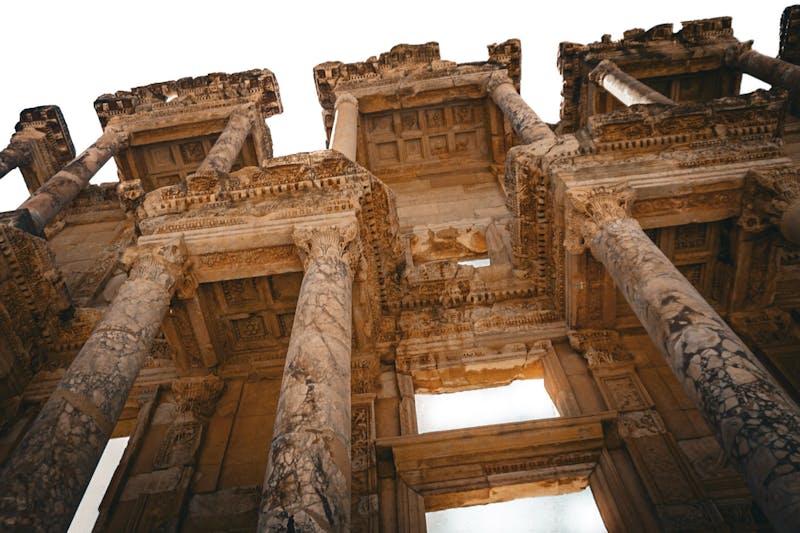
The Ephesus Experience Museum brings the glory days of ancient Ephesus to life through state-of-the-art digital presentations, hologram shows, and 3D animations. Here, you can see what the ruined Celsus Library originally looked like, experience the vibrant atmosphere of the Harbor Street thousands of years ago, and watch performances that took place in the Great Theatre—all as if they were alive. The structures you saw as mere piles of stone take on a completely new dimension in your mind, thanks to this museum.
To avoid this mistake: Set aside time to visit the museum after your walk through the ancient city. The museum is typically located near the exit and takes about 20–30 minutes to explore. Missing this included experience is equivalent to seeing only half of Ephesus. Taking this digital journey after touring the ruins greatly enhances your understanding and helps you piece together the history.
9. Assuming the Temple of Artemis, Ephesus, and the House of the Virgin Mary Are All in the Same Place
Perhaps the most common—and the biggest—misconception is this: assuming that the Temple of Artemis, Ephesus Ancient City, and the House of the Virgin Mary are all within the same area or within walking distance of each other. These three important sites are actually located in completely different places with significant distances between them:
- Ephesus Ancient City is located just outside the main settlement in the Selçuk district.
- The Temple of Artemis (one of the Seven Wonders of the Ancient World) is about 2–3 km away from Ephesus Ancient City, closer to the center of Selçuk. Today, only a single column remains standing, and you need to make a separate trip to see it.
- The House of the Virgin Mary (the last residence of Mary) is located approximately 7–8 km from Ephesus, on the slopes of Mount Bülbül. Reaching this sacred site requires an additional 15–20 minutes of travel by vehicle.
It is physically impossible to visit all three of these points on the same day by walking. Especially in the summer heat, attempting to walk these distances will lead to exhaustion and disappointment. Many tourists, not planning to use a vehicle, end up visiting only one or two of them and missing the rest.
To avoid this mistake: Plan your visit in advance and arrange your transportation options. If you don't have a private car, consider tours that combine these three points. A good itinerary is to visit Ephesus Ancient City early in the morning, then head up to the House of the Virgin Mary, and stop by the Temple of Artemis on the way back. Renting a taxi or a private chauffeured vehicle is also a great alternative for efficiently visiting these three separate locations. Trying to walk these distances without a vehicle can turn into hours of exhausting effort in the heat and negatively affect your Ephesus experience.
Last Modification : 9/20/2026 12:43:45 PM