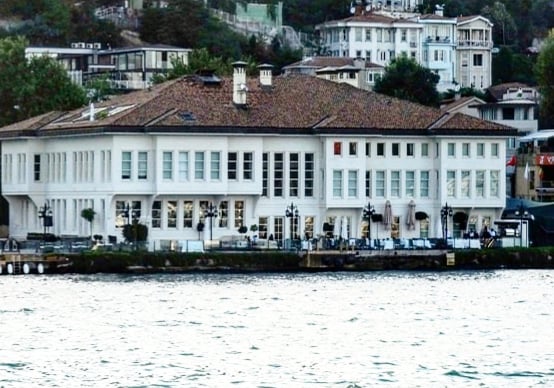
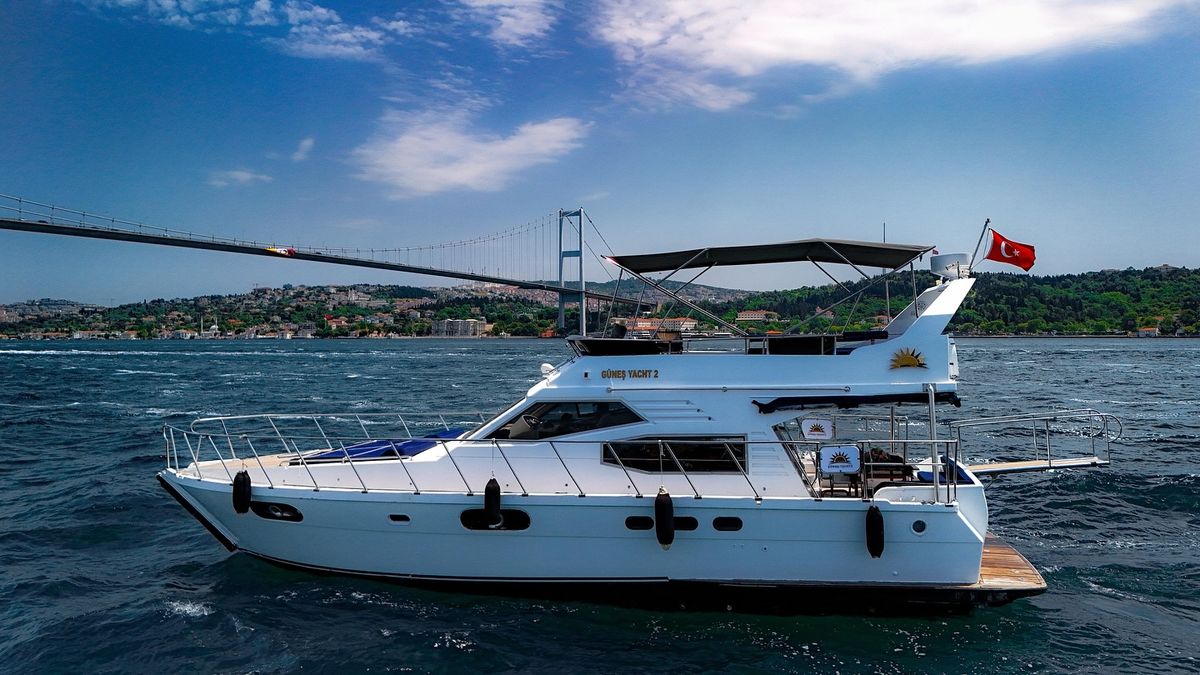
The Bosphorus in Istanbul stands out not only for its natural beauty but also for the architectural heritage left behind by prominent Ottoman statesmen. One of the notable examples of this legacy is the Muhsinzade Mehmed Pasha Waterfront Mansion, an elegant reflection of Bosphorus culture with its location and historical background. The mansion takes its name from Muhsinzade Mehmed Paşa, one of the important grand viziers of the Ottoman Empire, and carries traces of his political life.
Who Was Muhsinzade Mehmed Pasha?
Muhsinzade Mehmed Paşa was a prominent Ottoman statesman who served twice as Grand Vizier during one of the most turbulent periods of the 18th century. He was known for his disciplined character, his efforts to restore state authority, and his focus on financial reforms.
However, his tenure coincided with one of the most critical turning points in Ottoman history: the Ottoman-Russian War and the signing of a highly unfavorable peace treaty.
The Treaty of Küçük Kaynarca and the Pasha’s Final Days
Signed in 1774 between the Ottoman Empire and Tsarist Russia, the Treaty of Küçük Kaynarca is considered one of the most severe agreements in Ottoman history. This treaty was concluded during the grand vizierate of Muhsinzade Mehmed Paşa.
The heavy terms of the treaty had a profound impact not only on the state but also on the Grand Vizier himself. According to historical accounts, the immense sorrow and stress caused by the treaty led Muhsinzade Mehmed Paşa to fall seriously ill; this illness progressed rapidly and ultimately resulted in his death. This tragic outcome highlights the immense burden carried by Ottoman statesmen.
The main consequences of the treaty included:
The Ottoman Empire lost its control over Crimea, which was declared independent (and later annexed by Russia).
Russia gained the right to protect Orthodox Christians within Ottoman territories.
Russia was granted free navigation rights in the Black Sea.
These developments significantly weakened the Ottoman Empire’s position in international politics.
The Muhsinzade Mehmed Pasha Waterfront Mansion
The mansion bearing the name of Muhsinzade Mehmed Paşa is a fine example of classical Bosphorus waterfront architecture. With its wooden structure, wide windows, and façade opening onto the sea, it reflects the elegance of Ottoman civil architecture.
Waterfront mansions (yalıs) were not merely residences; they were also spaces that reflected the prestige and social life of high-ranking officials. In this context, the Muhsinzade Mehmed Pasha Mansion symbolized both the private life and political stature of a grand vizier.
The Place of Waterfront Mansions in Bosphorus Culture
The waterfront mansions lining the Bosphorus are among the most aesthetic symbols of the Ottoman relationship with the sea. Beyond serving as summer residences, they represented status, refinement, and elite lifestyle.
As part of this tradition, the Muhsinzade Mehmed Pasha Mansion holds a special place in the cultural heritage of the Bosphorus, both for its architectural and historical significance.