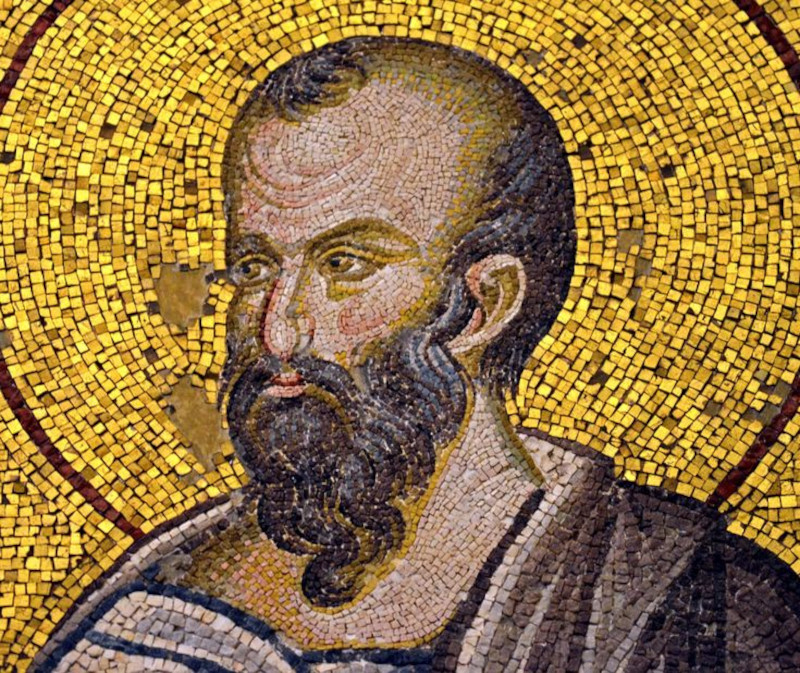

Who is Saint Paul
Born as Saul of Tarsus and later known as Saint Paul, this figure is considered the most influential person in Christian history after Jesus Christ himself. His life is the story of an extraordinary transformation, relentless missionary zeal, and profound theological contributions that played a critical role in Christianity's evolution from a Jewish sect into a worldwide faith system. Understanding Paul means understanding the development of Christianity in the first century and the intellectual foundations of Western civilization.
Roots and Religious Zeal
Paul was born in Tarsus, a city located in modern-day Turkey, and was a diaspora Jew by origin. Tarsus was an important educational and commercial center at the time, and he grew up under the influence of both Jewish and Greek culture. He belonged to the tribe of Benjamin and possessed Roman citizenship by birth—a privilege that would play a significant role in his later life. He received his education in Jerusalem under the respected Pharisee teacher Gamaliel, where he developed both deep knowledge of Jewish law and fierce devotion to it. The Pharisaic tradition emphasized strict adherence to the Torah and rigorous piety, which also encompassed the unwritten oral tradition. As someone raised in this tradition, Paul viewed the Christian faith as a threat to Judaism. Paul's pre-Christian life is defined by his violent hostility toward the new faith. He was among those who approved of the execution of Stephen, the first Christian martyr, and subsequently embarked on a mission to "destroy the church," dragging believers from their homes and throwing them into prison. This zeal drove him to set out on an official mission to arrest the Christian community in Damascus. Paul was a passionate and fanatical young man willing to do anything for the righteousness of what he believed. However, this journey would witness one of the most famous religious conversions in history.
The Conversion on the Road to Damascus
Paul's life changed forever on the road to Damascus when a brilliant light from heaven flashed around him and he heard Jesus' voice saying, "Saul, Saul, why are you persecuting me?" This encounter temporarily blinded him, and for three days he neither ate nor drank. Ananias, a Christian, following a vision, found Saul and placed his hands on him, restoring his sight. Saul was baptized and took the name Paul. This experience was for him not merely a conversion but a divine commission and apostolic authority received directly from Christ. Paul described this event in his own letters as a "revelation" and considered it the foundational basis of his apostleship. In his view, this experience made him not just a convert but an apostle specifically sent by Christ to the Gentiles. After this event, Paul dedicated himself to spreading the gospel of Jesus Christ. Initially, he was viewed with suspicion by the believers in Jerusalem because of his past persecution, but with the support of Barnabas, he was accepted by the apostles. In later years, Paul frequently recalled this conversion, describing himself as "one abnormally born" and emphasizing the greatness of Christ's grace. This conversion story continues to be told in Christian tradition as one of the most powerful examples of repentance and divine grace.
Missionary Journeys and the Call to the Gentiles
The rest of Paul's life was spent in relentless travel. He is traditionally understood to have made three major missionary journeys. Starting from Antioch, he traveled to Cyprus, Galatia (modern-day Turkey), Macedonia, Greece, and Ephesus, establishing numerous Christian communities along the way. According to the Book of Acts, Paul was imprisoned multiple times, stoned, shipwrecked, and faced countless hardships during these journeys. Traveling in the Roman Empire at that time was both dangerous and exhausting; roads were infested with bandits, sea voyages were vulnerable to storms, and accommodation conditions were primitive. Despite this, Paul never gave up his mission to proclaim the gospel. At the center of Paul's theology was the conviction that salvation through faith in Christ was open to everyone—both Jews and Gentiles. This understanding was the most important factor in Christianity's transition from a Jewish sect to an independent religion. Paul opposed the view that Gentile believers had to observe the entirety of the Mosaic Law (including practices such as circumcision, dietary rules, and Sabbath observance). According to him, Christ was the end of the law, and believers should live by the Spirit, not by the law. This radical teaching provoked reactions from both Jewish Christians and Gentiles. These debates were addressed at the Council of Jerusalem (approximately AD 49), where Paul and Barnabas, together with leaders such as Peter and James, decided that heavy legal burdens should not be imposed on Gentiles. This decision was a turning point that paved the way for Christianity to become a universal religion. As a missionary strategy, Paul typically preferred to first preach in a city's synagogue. After establishing a core group within the Jewish community, he would spread his message to the Gentiles. This method allowed him both to demonstrate his competence as a Pharisee well-versed in the Torah and to emphasize that Christianity was a faith that emerged from Judaism.
Theological Legacy
Paul's most enduring contribution to Christianity is his letters. Of the 27 books of the New Testament, 13 or 14 are traditionally attributed to him. Modern scholars agree that seven of these letters (Romans, 1-2 Corinthians, Galatians, Philippians, 1 Thessalonians, and Philemon) are definitely his, while others (Ephesians, Colossians, 2 Thessalonians, 1-2 Timothy, Titus, and Hebrews) may have been written by his students or followers. These letters have become the cornerstones of Christian theology. The central theme in Paul's teaching is being "in Christ"; salvation comes through faith in Christ's death and resurrection, not through works of the law. The concept of original sin holds an important place in Paul's theology. In his Letter to the Romans, he argues that Adam's sin affected all of humanity, and therefore everyone needs a savior. This understanding formed the basis of later Christian thought on grace and salvation theology. Furthermore, Paul placed the bodily resurrection of Christ at the center of Christian faith, emphasizing in his First Letter to the Corinthians that "if Christ has not been raised, your faith is futile." Paul's contributions to Christian ethics are also significant. In his letters, he gives practical advice to believers on how to live their daily lives: encouraging love, patience, tolerance, and communal unity. His emphasis on love as the greatest virtue in 1 Corinthians 13 is regarded as one of the most beautiful texts in world literature. His doctrine deeply influenced later thinkers such as Augustine and Martin Luther and became one of the cornerstones of the Reformation. When Luther discovered Paul's teaching of "justification by faith," he opposed the Catholic Church's sale of indulgences and its understanding of salvation through works. For this reason, Paul holds a special place in Protestant theology.
Martyrdom and Legacy
After his third journey, Paul's arrest in Jerusalem marked the beginning of a long period of imprisonment. As a Roman citizen, he appealed to the emperor, which led to his transfer to Rome. After a period of house arrest in Rome, he was apparently released and continued his missionary work. However, he was arrested again during Emperor Nero's reign. Tradition holds that Paul was beheaded in Rome on the Ostian Way, martyred for his faith. This event is believed to have occurred around AD 67, the same period when Peter was crucified. Today, the Basilica of Saint Paul Outside the Walls stands over his tomb. Paul's legacy is unparalleled in Christian history. His letters are the most important sources for understanding the faith, problems, and daily lives of the early Christian communities. His theology shaped the fundamental doctrines of Christian thought and profoundly influenced Western philosophy. His universal message of salvation enabled Christianity to become a worldwide faith. Additionally, Paul's writings have been a fundamental reference point for Western literature, art, and law.
Saint Paul was a complex, passionate, and intelligent figure. He was the fiercest enemy of Christianity yet became its greatest advocate and theologian. His life is a story of radical transformation and unwavering commitment. His letters continue to shape theological thought, and his missionary spirit paved the way for Christianity's global spread. He was not only a saint but also a thinker who profoundly influenced the intellectual and religious history of Western civilization. Paul's message continues to inspire millions of people in the twenty-first century who seek faith, freedom, and salvation. His words, "Love never fails," remain a universal value as part of humanity's shared heritage.
Last Modification : 8/31/2026 10:06:39 AM