Top 10 Biblical Sites to Visit in Turkiye
Tracing the Footsteps of Faith:
Turkey, the ancient land of Anatolia, is where the pages of the Bible come to life. While many associate biblical history solely with Israel, nearly two-thirds of the New Testament—including the letters of Paul and the Book of Revelation—is set in this vast region. It is the land of the Seven Churches, the birthplace of St. Paul, and the stage for the early church's most dramatic moments. For the faithful and history enthusiasts alike, a journey through Turkey is a pilgrimage to the very cradle of early Christianity. Here are 10 magnificent stops that every biblical traveler must experience:
1. Ephesus (Efes)
As the best-preserved classical city in the Eastern Mediterranean, Ephesus is an unmissable cornerstone of any biblical tour. The Apostle Paul lived and preached here for over two years, and it is believed that the Apostle John wrote his Gospel here and that Mary spent her final days nearby.
What to See: Walk the marble-paved Curetes Street to the iconic Library of Celsus. Just outside the city, visit the serene House of the Virgin Mary on Mount Koressos, and the Basilica of St. John, built over his believed tomb. The Terrace Houses offer a vivid glimpse into the daily lives of the Roman elite with their well-preserved frescoes and mosaics.
2. Antioch on the Orontes (Antakya)
It was in Antioch that the followers of Jesus were first called "Christians" (Acts 11:26). This ancient city, located in modern-day Hatay, holds immense significance as the launching point for Paul's missionary journeys.
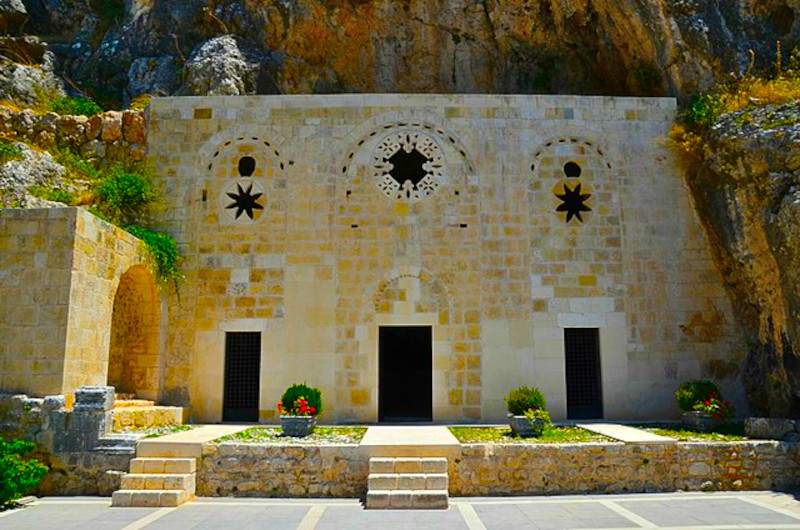
What to See: The Church of Saint Peter (St. Peter's Grotto) is a cave church carved into the mountainside, believed to be one of the world's first Christian cathedrals. This site is a powerful testament to the faith of the earliest believers.
3. The Seven Churches of Revelation
The Book of Revelation opens with letters to seven churches in Asia Minor, each with a specific message. These cities form a network of ancient ruins that draw pilgrims seeking to understand the spiritual condition of the early church.
- Pergamon (Bergama): Known as the place "where Satan's throne is," likely referencing the massive Altar of Zeus or the Imperial cult. The Acropolis, with its steep theater, dominates the landscape.
- Smyrna (Izmir): Praised for its faithfulness amidst persecution, the ancient Agora of Smyrna stands as an oasis of history in the heart of modern Izmir.
- Laodicea (Denizli): Famously rebuked for being "lukewarm," this city is currently one of Turkey's most active excavation sites, where extensive restoration allows visitors to walk its colonnaded streets. Laodicea, together with Hierapolis and Colossae, forms the three important cities of the Lycus Valley.
- Sardis (Sart): A wealthy city rebuked for being spiritually dead, Sardis boasts a monumental Gymnasium and one of the largest ancient synagogues ever found outside of Palestine.
- Thyatira (Akhisar): A city known for its trade guilds, today its ancient church is located within a modern mosque complex.
- Philadelphia (Alaşehir): Commended for its perseverance, the city today features the standing pillars of the Byzantine St. Jean Church.
4. Tarsus: The Hometown of Paul
The Apostle Paul was born in Tarsus, a city he described as "no mean city" (Acts 21:39). Located in southern Turkey, it was a major center of learning and culture.
What to See: The pilgrimage focus here is St. Paul's Well, located in a courtyard believed to be the site of the Apostle's family home. The nearby St. Paul's Church (now a museum) also contains historical artifacts from the region.
5. Hierapolis, Pamukkale & Colossae: The Three Sacred Cities of the Lycus Valley
The world-famous white travertine terraces of Hierapolis (Pamukkale) are not only a natural wonder but also a site of great biblical significance. Paul wrote letters to the three cities of this valley—Hierapolis, Laodicea, and Colossae. The Epistle to the Colossians was specifically sent to the Christian community in this region.
Hierapolis (Pamukkale): Known as the healing center of the ancient world, this city is also the traditional site of the martyrdom of the Apostle Philip. The Martyrium of St. Philip sits on a hill overlooking the valley with breathtaking views. Swimming in the thermal pools while knowing that people have sought healing in these sacred waters for millennia is an unforgettable experience.
Colossae (Honaz): Located just 20 kilometers southeast of Hierapolis, at the foot of Mount Honaz (Mount Cadmus), Colossae is the city to which Paul addressed his Epistle to the Colossians. For centuries, this site remained undiscovered, but recent archaeological excavations have unearthed over 60 rock-cut tombs, a Roman theater, and significant early Christian inscriptions. Visiting Colossae allows you to experience the "unseen things" Paul wrote about in a tangible and profound way. Note: Colossae is easily accessible by a short drive from Hierapolis.
6. Konya (Iconium): The City Where Paul and Barnabas Fought for the Faith
Mentioned in Acts 13-14, Iconium (Konya) was a major stop on Paul and Barnabas's second missionary journey. Here, intense debates erupted between the Jewish leaders and the Gentiles, and the apostles were stoned and driven out of the city (Acts 14:1-7). This is where early Christianity faced one of its first great struggles against pagan Rome.
What to See: The archaeological sites in the city center and the underground church known as St. Paul's Cave, believed to be where the apostle preached. Konya is also famous for its Seljuk and Mevlana (Rumi) heritage, offering a unique atmosphere where different faiths intertwine.
7. Derbe (Kerti Höyük): An Archaeological Triumph Named in the Bible
After fleeing Iconium, Paul and Barnabas took refuge in Derbe and successfully spread the Gospel there (Acts 14:6-7, 20-21). Today, Derbe is identified with Kerti Höyük, near Karaman in the Konya province. It is one of the few biblical cities in Turkey that has been definitively identified and archaeologically confirmed.
What to See: Excavations at the mound have revealed a Roman-period theater and early Christian inscriptions. Walking on this ground offers a unique feeling of being on the very soil where Paul once stood.
8. Iznik (Nicaea): The Doctrinal Turning Point of Christianity
Iznik is the site of the First Council of Nicaea in AD 325, convened by Emperor Constantine. This was the first ecumenical council of Christianity and gave birth to the Nicene Creed, a statement of faith still recited by Christians of all denominations worldwide.
What to See: The Iznik Hagia Sophia Mosque (originally a basilica), where the council was held. The city's ancient walls and the serene shores of Lake Iznik also add to the spiritual atmosphere of this historic town.
9. Istanbul: The Capital of Byzantium and the Heart of Orthodoxy
Though not directly mentioned in the New Testament, Istanbul (Constantinople) is crucial to early Christian history. It was the center of the Byzantine Empire and hosted several of the most important Ecumenical Councils that shaped Christian doctrine.
What to See:
- Chora Church (Kariye Mosque): Featuring stunning 14th-century mosaics and frescoes depicting the lives of Jesus and the Virgin Mary, this is a stone Bible in itself.
- Fener Greek Orthodox Patriarchate (St. George's Church): The spiritual center of the Orthodox world for over 1,600 years, still a living pilgrimage site with its golden iconostasis.
- Hagia Sophia Grand Mosque: The masterpiece of Byzantine architecture, it served as the world's largest cathedral for a thousand years and hosted some of the most significant councils in Christian history.
10. Myra: The Home of St. Nicholas
The ancient city of Myra, near the modern town of Demre, is known as the birthplace of St. Nicholas—the historical figure who inspired the legend of Santa Claus.
What to See: The well-preserved rock-cut tombs of the Lycian necropolis and the Church of St. Nicholas, which holds significant religious and historical importance.
Last Modification : 8/31/2026 10:50:44 AM