
Frequently Asked Questions About Biblical Turkey Tours
Turkey, often called the "other Holy Land," is a land rich with biblical history. From the journeys of the Apostle Paul to the Seven Churches of Revelation, this region, known in ancient times as Asia Minor, holds immense significance for Christian heritage. If you are considering a biblical tour to Turkey, you likely have many questions. This article addresses the most frequently asked questions to help you plan a meaningful and well-organized journey, including important guidelines for worshipping and visiting sacred sites.
1. Why is Turkey Significant for Biblical History?
Modern-day Turkey is home to a wealth of sites mentioned in the New Testament. It was here that the Apostle Paul was born (in Tarsus) and where he undertook his missionary journeys, establishing early Christian communities. Most notably, all Seven Churches mentioned in the Book of Revelation—Ephesus, Smyrna, Pergamum, Thyatira, Sardis, Philadelphia, and Laodicea—are located in western Turkey. Walking through these ancient ruins offers a tangible connection to the early days of Christianity.
2. What are the Key Biblical Sites to Visit?
A typical biblical tour covers a variety of locations:
- The Seven Churches of Revelation: The most famous pilgrimage route, including the well-preserved ruins of Ephesus, the acropolis of Pergamum, and the archaeological sites of Sardis and Laodicea.
- Pauline Sites: You can follow in the footsteps of Paul, visiting places like Antioch (Antakya), Tarsus (his birthplace), and Assos, where he walked on a 1st-century Roman road.
- Other Significant Locations:
- House of the Virgin Mary: A shrine near Ephesus believed by many to be where Mary spent her final years.
- Cappadocia: A region famous not only for its fairy chimneys but also for its underground cities and cave churches, where early Christians sought refuge.
- Hierapolis & Pamukkale: An ancient spa city with stunning white terraces, which is also the site of the Martyrium of St. Philip.
3. What Worship and Prayer Practices Can I Expect?
Turkey is a land where different faith traditions have coexisted for centuries, and you will see this reflected in prayer practices.
- Christian Prayer Postures: In many Christian communities in Turkey, a common posture for prayer is standing with arms bent at the elbows and palms facing upward. This iconic stance, found in the Psalms and the early Christian church (1 Timothy 2:8), is a gesture of petition, praise, or thanksgiving, as if to receive God's blessing.
- Islamic Prayer Rituals: The dominant Muslim practice incorporates various postures for the ritual of prayer, including standing, bowing, and prostrating. You may observe this if you visit a mosque outside of prayer times. Muslims typically conclude their prayer by moving their open palms up to cover the face and then drawing them straight down.
- Other Traditions: In Syrian Orthodox worship, you might see worshippers touch their fingertips to their lips and forehead as an "Amen" movement, sealing the words into their mouth and mind.
4. What is the Dress Code for Visiting Religious Sites?
Dressing modestly is a key sign of respect when visiting any place of worship in Turkey, whether it is an active mosque or a historic church.
- For Mosques (Active Places of Worship):
- Women: Must cover their hair with a scarf. Shoulders and knees must also be covered. Avoid tight-fitting or revealing clothing.
- Men: Must wear pants that cover the knees. Tank tops are usually not allowed; t-shirts are fine.
- For Everyone: You must remove your shoes before entering the carpeted prayer area. Many major mosques provide covers for visitors who are not appropriately dressed.
- For Churches: While the rules are often less strict than for mosques, modest attire (covering shoulders and knees) is still highly recommended out of respect for the sacred space. Removing hats is a common courtesy.
5. What is the Etiquette for Visiting Places of Worship?
Beyond dress, there are several behavioral rules to follow to maintain a respectful atmosphere:
- Maintain Silence: Speak quietly and avoid loud conversations. The mosque is a sanctuary for worship, and many people may be praying silently even outside of formal prayer times.
- Silence Mobile Phones: Phones should be turned off or set to silent mode. If you must take an emergency call, do so quickly and quietly outside the main prayer area. Photography during prayer times is strictly prohibited.
- No Eating or Drinking: Consuming food and beverages inside the mosque is not allowed.
- Respect Prayer Areas: Do not walk in front of someone who is praying. The visit and worship areas are often separated; respect this distinction. Do not photograph people who are praying.
- Cleanliness: Avoid entering the mosque without socks as a matter of cleanliness. Do not litter or touch religious objects without permission.
- Timing: Mosques are generally closed to visitors during the five daily prayer times (salat). These times change daily based on the sun's position. Plan your visit outside these windows.
6. Can We Organize a Communion (Eucharist/Wine and Bread) Service During the Tour?
This is one of the most frequently asked questions by pilgrimage groups, and the answer depends on the location and prior arrangements.
A. Arranging Services in Active Churches
For groups belonging to Orthodox, Catholic, or Protestant denominations, it is possible to arrange worship services in active churches. Professional tour operators can facilitate communication with local church authorities and religious officials to secure reservations. Upon request, Holy Communion (Eucharist / Wine and Bread) services can be organized in designated churches, provided that advance arrangements are made. These services are conducted with the permission and sometimes the participation of local clergy, ensuring they are carried out in accordance with the traditions of each denomination.
B. Services in Ancient Cities and Archaeological Sites
It is important to note that most ancient cities and archaeological sites in Turkey do not permit the celebration of religious ceremonies, including Holy Communion, within their boundaries. These sites are protected as museums and archaeological heritage areas under the jurisdiction of the Ministry of Culture and Tourism. Conducting liturgical services inside these ruins is generally prohibited to preserve their historical integrity and to maintain a neutral environment for all visitors.
C. Alternative Venues for Communion Services
If celebrating Holy Communion is an essential part of your pilgrimage experience, your tour operator can arrange alternative venues:
- Restaurant Venues: Many restaurants that cater to tour groups can allocate a private area during lunch hours for a brief Communion service. This allows the group to conduct the ceremony in a respectful and undisturbed setting.
- Hotel Facilities: Hotels can also provide private meeting rooms or designated spaces for religious services, ensuring comfort and privacy for your group.
D. Special Arrangements in Cappadocia
The Cappadocia region offers a unique opportunity for religious ceremonies. With prior permission obtained from the local municipality, it is possible to organize a worship service inside one of the region's historic rock-cut churches. These cave churches, many of which feature stunning Byzantine frescoes, provide an atmospheric setting for a truly memorable and spiritually significant experience. However, this requires early planning and official authorization, so it is essential to communicate this request well in advance through your tour operator.
7. What Should We Know About Religious Sensitivities in Turkey?
Turkey is a secular republic with a predominantly Muslim population. The country has a long and complex history of religious coexistence, and Islam, Christianity, and Judaism have all found a home here for centuries. The Turkish state officially recognizes the freedom of religion, and minority faiths are generally tolerated and respected. However, as in any country, there may be individuals or groups with strong nationalist or conservative views. It is important to be mindful of the following:
- Respect for Local Norms: While Turkey is welcoming to visitors of all faiths, conducting open-air religious ceremonies in public spaces—especially in areas with high tourist traffic or local residential communities—can attract unwanted attention or cause discomfort. The regulations regarding religious ceremonies in archaeological sites and public areas are in place not only for legal compliance but also out of respect for local cultural sensitivities.
- Discretion and Courtesy: Pilgrimage groups are advised to conduct their religious activities in designated or private spaces rather than in public squares or busy thoroughfares. This approach ensures a harmonious experience for both the group and the local community.
- Historical Context: Turkey's laws and customs regarding worship spaces have evolved over time. For example, many ancient churches were converted into mosques during the Ottoman period, and some remain active places of Islamic worship today. Visitors should always show respect for the current function and sanctity of these buildings.
8. How Long is a Typical Biblical Tour?
The duration depends on your focus and itinerary:
- A focused tour of the Seven Churches: Can be done in as little as 3 to 4 days.
- A comprehensive tour: To visit all the Seven Churches and key Pauline sites, you would need about 12 to 16 days.
- General biblical tours: Many tour operators offer packages ranging from 8 to 10 days, which include Istanbul, the Seven Churches, and sometimes other highlights like Cappadocia.
9. What Does a Typical Itinerary Look Like?
While itineraries vary, many combine Istanbul's historical treasures with the ruins of Asia Minor. A common 8-day itinerary might include:
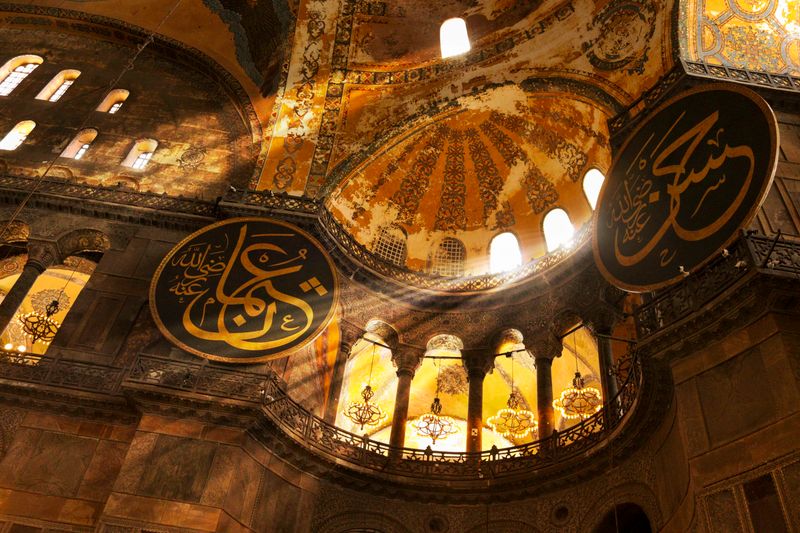
- Days 1-2: Exploring Istanbul, visiting the Hagia Sophia, Blue Mosque, and Topkapi Palace.
- Day 3: Journey to the legendary city of Troy.
- Days 4-7: Focusing on the Seven Churches and Pauline sites, such as Pergamum, Thyatira, Sardis, Philadelphia, Laodicea, Hierapolis, and a full day at Ephesus, the House of Mary, and the Basilica of St. John.
- Day 8: Departure.
10. What is the Best Time of Year to Go?
The best times for a biblical tour are during spring (April to June) and autumn (September to November). The weather during these seasons is mild and comfortable for walking through extensive archaeological sites. Summer can be extremely hot, especially in the Aegean region, while winter may bring rain and cold to some areas.
11. What Kind of Guides Are Provided?
The quality of the guide is crucial for a biblical tour. Reputable companies employ professional, licensed local guides who are fluent in English and have in-depth knowledge of Christian history and the Bible. Many of these guides are passionate about the subject and can provide rich context, read scripture passages on-site, and help bring the ancient world to life. Some guides are also experienced in coordinating religious ceremonies and can act as a bridge between your group and local authorities.
12. Are Entrance Fees and Meals Included?
This depends on the tour package. Many all-inclusive or private tours include entrance fees to the historical sites and most meals (typically breakfast and lunch). However, some budget-friendly or more flexible tours may exclude entrance fees, allowing you to pay as you go. It is essential to check the "inclusions" and "exclusions" section carefully before booking. Note that many guides can arrange "skip-the-line" tickets, saving you time at popular sites.
13. Can the Tour Be Customized?
Yes, many tour operators, especially those offering private tours, are happy to customize itineraries. Whether you want to focus specifically on the Seven Churches, include more Pauline sites, add an extension to the Greek island of Patmos (where John received the Revelation), or adjust the pace of the tour, you can often work with the operator to create a personalized journey. Special religious requests, such as arranging Communion services or connecting with local clergy, can also be accommodated with sufficient advance notice.
14. What About Transportation and Accommodation?
Most tours provide comfortable, air-conditioned vehicles ranging from vans for small groups to full-sized buses. Accommodations are typically in 3- or 4-star hotels or boutique properties, selected for comfort and convenience. Hotel categories can affect the overall price, and you can often choose your preferred level.
15. What is the Cancellation Policy?
Cancellation policies vary widely. Some operators offer flexible policies, allowing a full refund if you cancel up to 24 hours in advance. Others may have a tiered system, with penalties increasing as the departure date nears, or a "no refund" policy for last-minute cancellations. It is vital to read the terms and conditions carefully before booking.
16. Do I Need a Visa to Visit Turkey?
This depends on your nationality. For example, U.S. and Canadian citizens generally need to obtain an e-Visa online before traveling. It is best to check the official Turkish government website for the most up-to-date visa requirements for your country.
A biblical tour of Turkey is more than just a vacation; it is a journey through history and faith. By understanding these common questions, you can better plan your trip and choose the right itinerary and operator. Whether you are a devoted scholar, a history enthusiast, or a curious traveler, the ancient and sacred landscapes of Turkey offer an unforgettable experience. With proper planning and respect for local customs, your pilgrimage can be both spiritually enriching and culturally harmonious.
Last Modification : 8/31/2026 10:50:43 AM